Answers
This practical workflow moves from craft type, yarn, hook or needle, size, gauge, skill level, and project goal to a result you can inspect and compare.
Use Yarnie to follow or generate a yarn craft pattern, compare the output with gauge, stitch count, yarn weight, fit, saved patterns, and progress, and keep the decision boundary visible.
Key takeaways
- Yarnie is strongest when the session starts with a real goal: move from yarn and idea to a pattern, gauge, and stitch plan.
- Better inputs matter. Prepare craft type, yarn, hook or needle, size, gauge, skill level, and project goal before judging the result.
- Review the output against gauge, stitch count, yarn weight, fit, saved patterns, and progress so the app stays useful instead of generic.
- gauge and sizing still need real swatches for reliable finished measurements
The situation
A common user moment for Yarnie starts with uncertainty: someone has enough context to act, but not enough structure to decide. That is where follow or generate a yarn craft pattern becomes useful.
In practice, that means slowing down long enough to give Yarnie the context a human would ask for: what you are trying to decide, what details are visible, and what kind of next step would be useful.
The workflow
Start with craft type, yarn, hook or needle, size, gauge, skill level, and project goal, run the core flow, then compare the output against gauge, stitch count, yarn weight, fit, saved patterns, and progress. This keeps the session grounded in observable details instead of vague impressions.
A useful session should reduce uncertainty, preserve the evidence behind the result, and make the next action easier to choose. More screens do not help when the underlying context is incomplete.
The useful takeaway
Yarnie supports this workflow: follow or generate a yarn craft pattern. Start from craft type, yarn, hook or needle, size, gauge, skill level, and project goal, then review the result against gauge, stitch count, yarn weight, fit, saved patterns, and progress. It is the way it turns patterns, yarn, gauge, stitches, and craft learning into a smaller decision, a saved record, or a clearer next step.
Yarnie helps users follow or generate a yarn craft pattern, but the result should still be checked against the user's own context and any professional boundary that applies.
How Yarnie fits the workflow
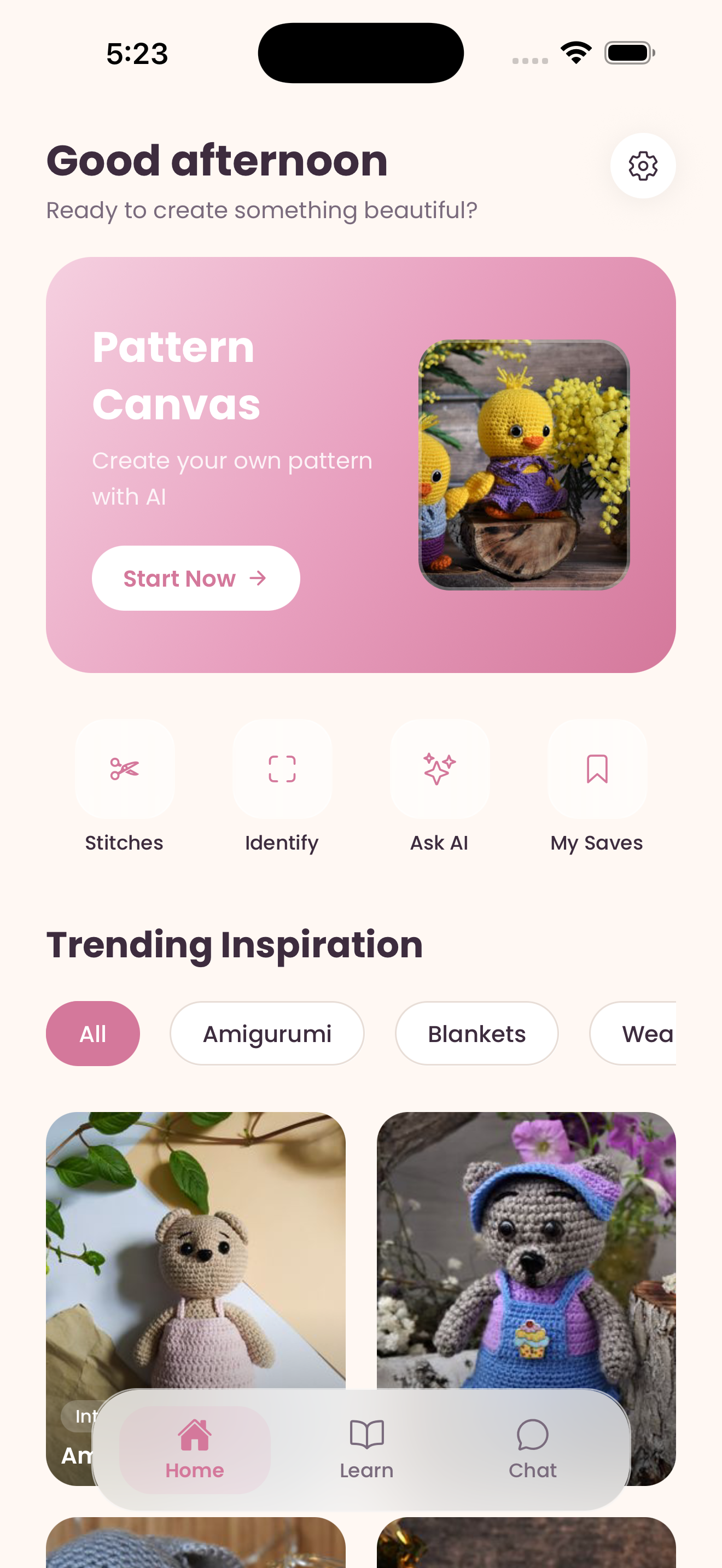
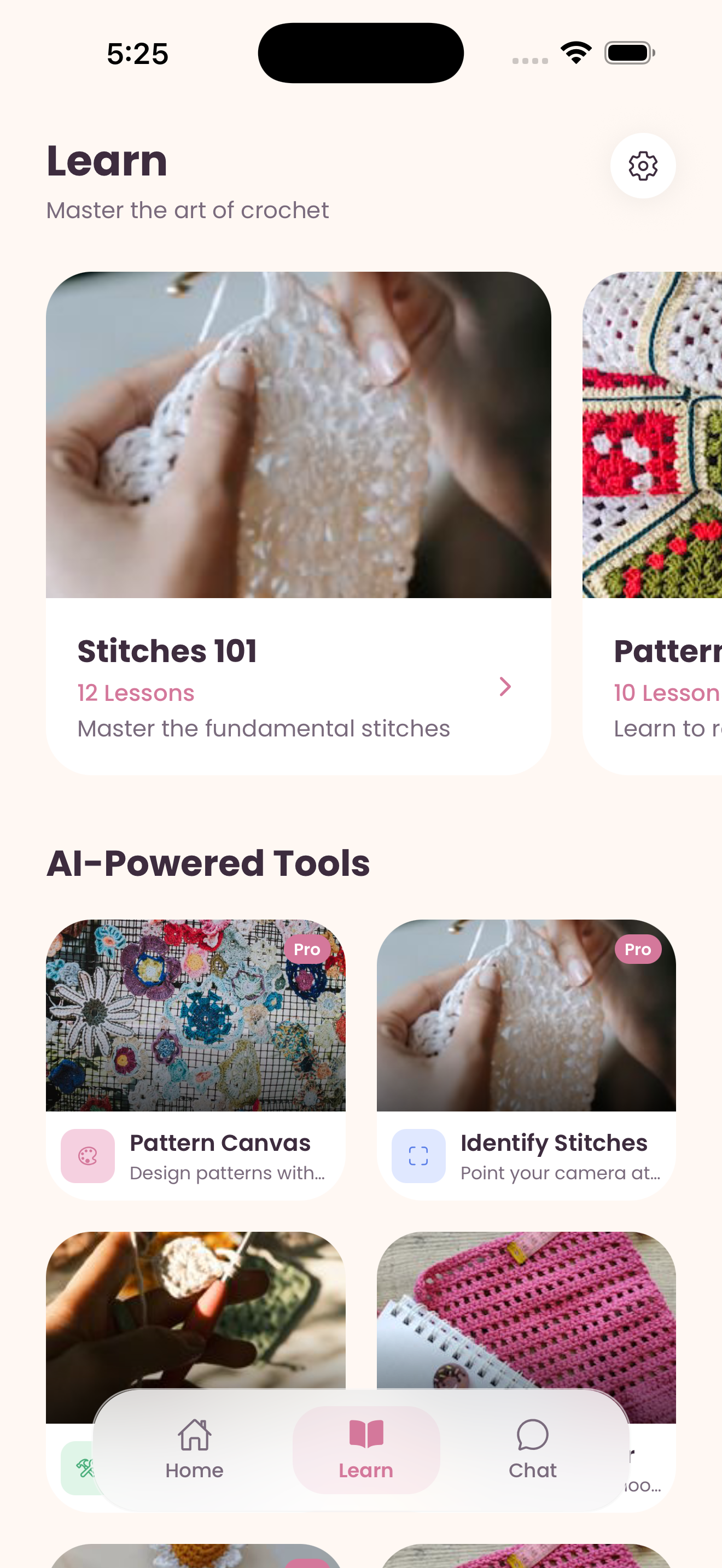
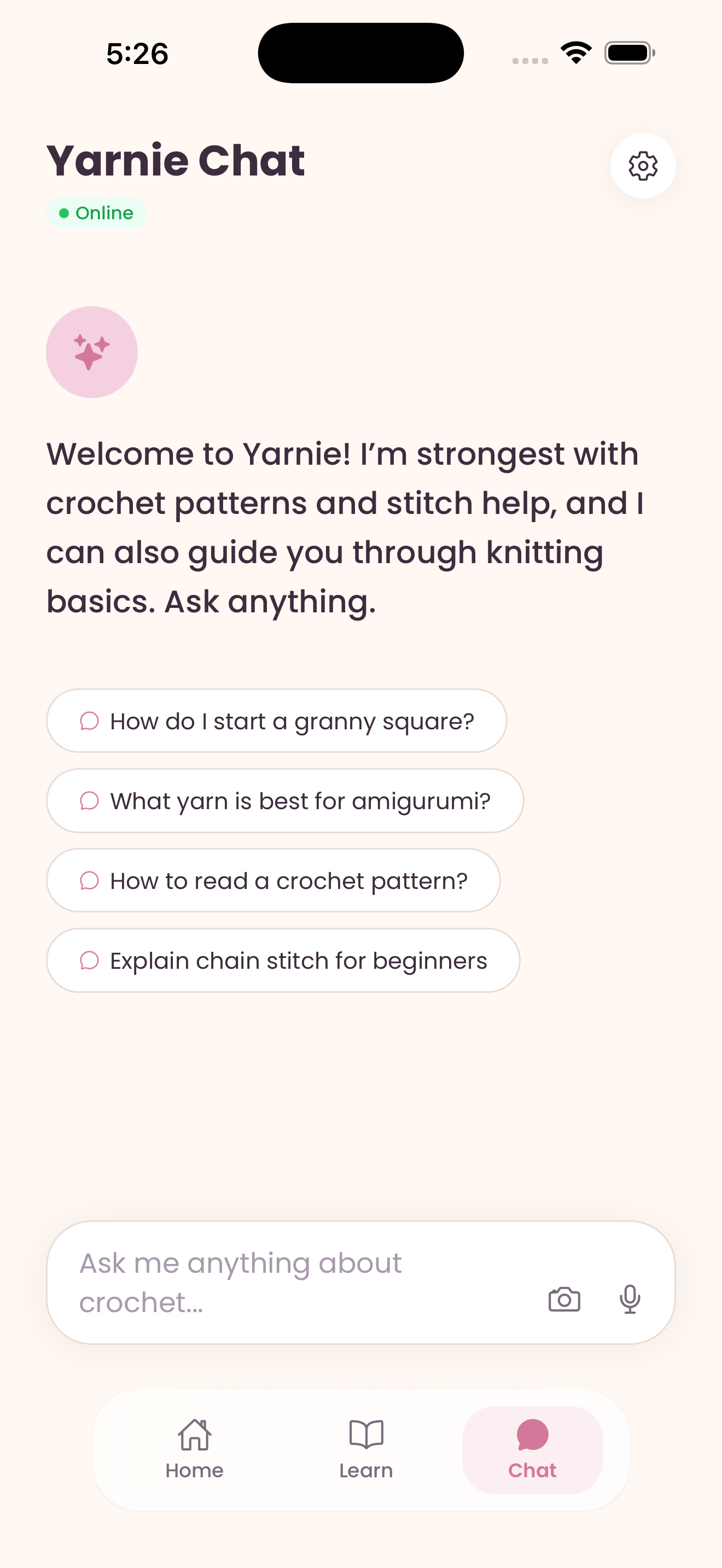
Yarnie supports this workflow: follow or generate a yarn craft pattern. Start from craft type, yarn, hook or needle, size, gauge, skill level, and project goal, then review the result against gauge, stitch count, yarn weight, fit, saved patterns, and progress. The app should help the user gather the right context, complete the core task, and keep a record that can be reviewed later instead of relying on memory.
The best repeat users build a small history. Saved sessions, notes, screenshots, or previous results make future decisions faster because the app has a clearer personal reference point.
What to prepare before opening the app
Prepare craft type, yarn, hook or needle, size, gauge, skill level, and project goal. This makes the output easier to judge and gives the app enough signal to avoid a vague, one-size-fits-all result.
In practice, that means slowing down long enough to give Yarnie the context a human would ask for: what you are trying to decide, what details are visible, and what kind of next step would be useful.
How to judge the result
A useful result should line up with gauge, stitch count, yarn weight, fit, saved patterns, and progress. If the answer doesn't explain itself, the next best step is to improve the input, compare with saved history, or seek expert confirmation when the decision is high-stakes.
A useful session should reduce uncertainty, preserve the evidence behind the result, and make the next action easier to choose. More screens do not help when the underlying context is incomplete.
Product moments: Yarnie
Yarnie supports this workflow: follow or generate a yarn craft pattern. It is designed around craft type, yarn, hook or needle, size, gauge, skill level, and project goal, and its output should be reviewed against gauge, stitch count, yarn weight, fit, saved patterns, and progress.
Continue in Yarnie when you have craft type, yarn, hook or needle, size, gauge, skill level, and project goal ready and want to save the result.
Before you download.
What does this practical Yarnie workflow show?
This practical workflow moves from craft type, yarn, hook or needle, size, gauge, skill level, and project goal to a result you can inspect and compare.
Which inputs make this workflow more useful?
Prepare craft type, yarn, hook or needle, size, gauge, skill level, and project goal. Specific context makes the result easier to inspect and compare.
When does this workflow need outside confirmation?
Gauge and sizing still need real swatches for reliable finished measurements. Seek the appropriate qualified source when the decision affects health, safety, money, or legal rights.
Practical checklist
Trust note
Gauge and sizing still need real swatches for reliable finished measurements. Yarnie is designed to make the workflow clearer, not to replace expert review when the decision is high-stakes.